
Introduction to the Forbidden City
The Forbidden City: An Eastern Palatial Epic and a Spatiotemporal Coordinate of Civilization
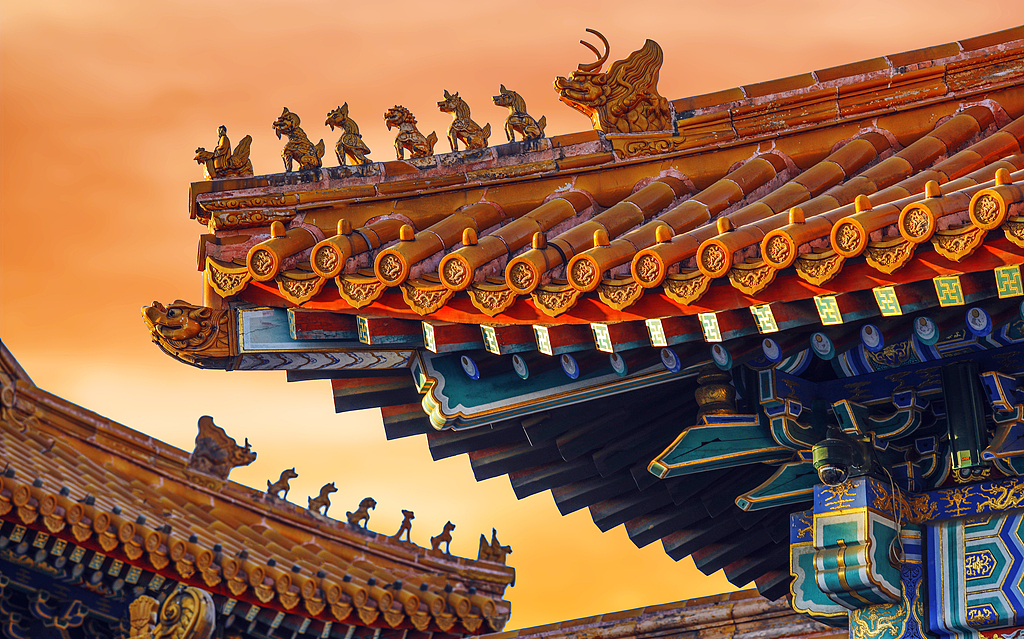
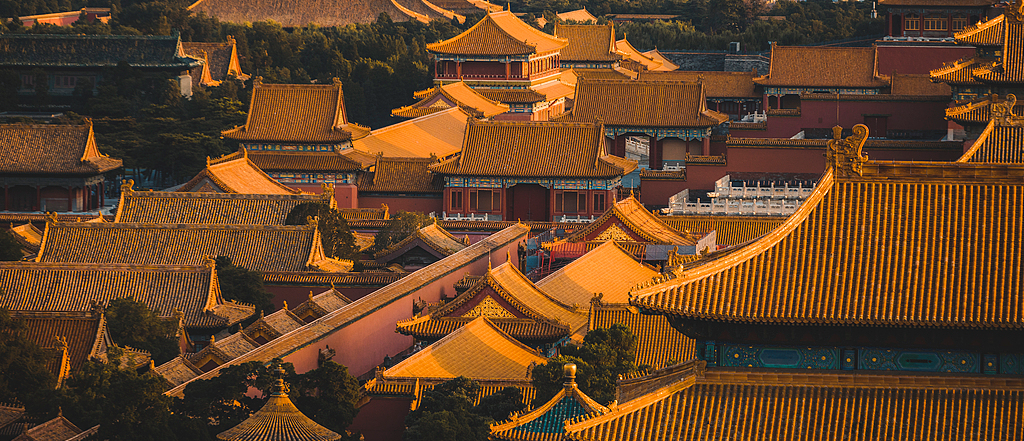
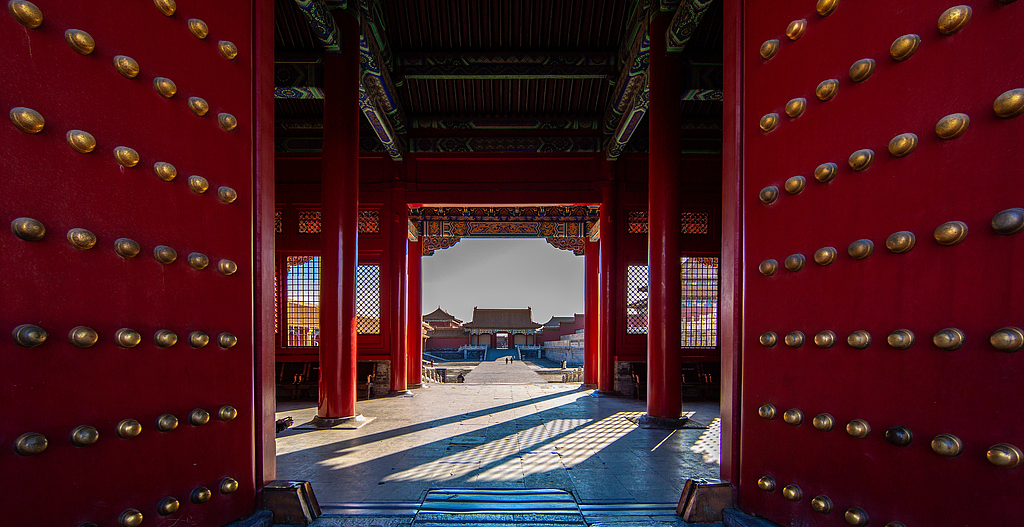
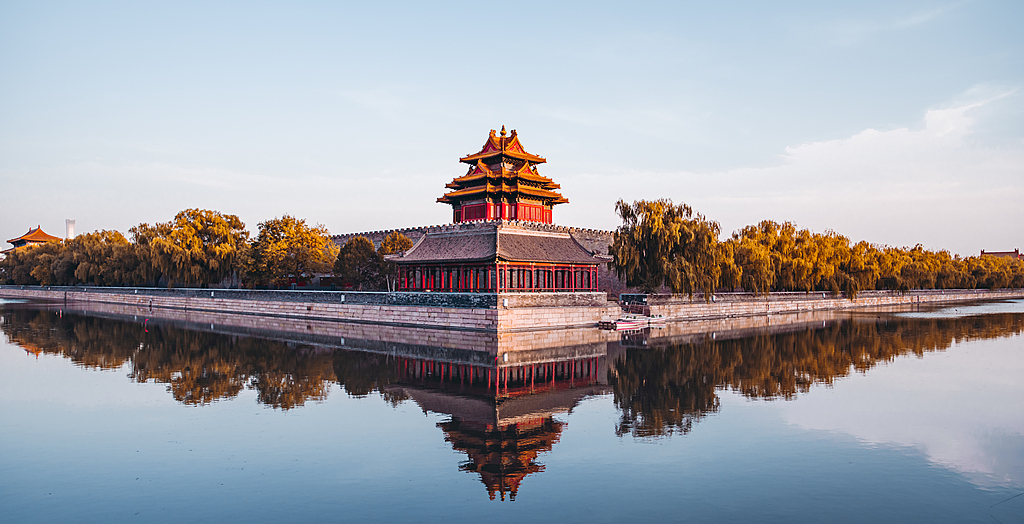
Beijing's Forbidden City, the world's largest and most completely preserved ancient wooden palace complex, ranks first among the world's top five palaces and is inscribed as a UNESCO World Heritage site. As the imperial palace of the Ming and Qing dynasties (formerly known as the Forbidden City), it centers around the Three Great Halls, covering an area of approximately 720,000 square meters and housing over seventy halls and pavilions. Legend has it that the Forbidden City contains 9,999 and a half rooms, representing the pinnacle of palace architecture in human history.
When analogized to Western architectural typologies, the Forbidden City can be regarded as a fusion of an "imperial power center, a symbol of ritual order, and a crystallization of wooden architectural artistry." Its political function resembles the Palace of Versailles, its sacred axis and spatial sequence echo the Imperial Fora of Rome, and its grand layout of "thousands of doors and countless rooms" combines the religious solemnity of Vatican City with the ceremonial public space qualities of the National Mall in Washington, D.C.
Yet, the essence of the Forbidden City transcends any singular comparison—through its philosophical planning of "modeling the palace on the cosmos and balancing yin and yang," it encapsulates the imperial mandate of heaven and the principles of yin-yang and the Five Elements into its wooden structures, stone carvings, and painted decorations. Unique in the history of world civilization, it is rightfully hailed as the "ultimate spatial specimen of the Eastern empire."